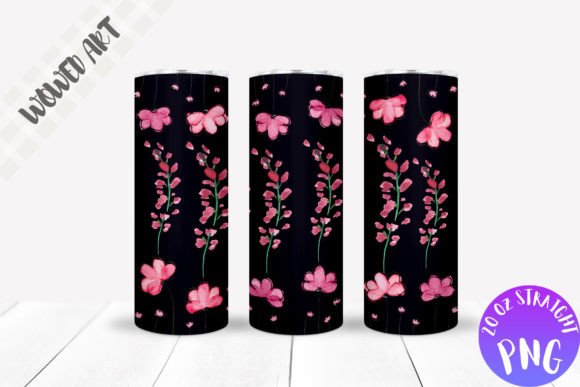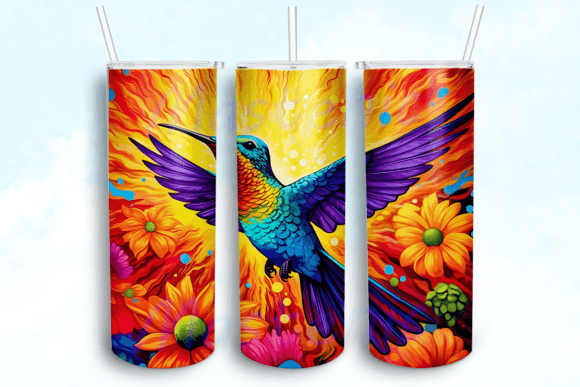
Hummingbird Flowers 20 Oz Skinny Tumbler
A Delicate, Lively Motif — But Not What It Seems at First Glance
When I opened the Hummingbird Flowers 20 Oz Skinny Tumbler file, I expected a tumbler-specific sublimation graphic — and that’s exactly what it is. But as an embroidery designer who regularly adapts digital graphics for stitch, my first instinct was to ask: *Can this translate cleanly to thread?* The answer isn’t yes or no — it’s “only with thoughtful reinterpretation.” This design lives in the Crafts space, yes, but its native home is Graphics, not machine embroidery. That distinction matters deeply before you drop it into your embroidery software or list it as an embroidered tote bag design.
First Impression: Light, Airy, and Full of Movement
The composition feels effortless — a hummingbird mid-hover beside trailing florals, soft curves, gentle negative space, and balanced asymmetry. It reads as joyful, botanical, and quietly feminine — perfect for baby embroidery, nursery decor, or a spring-themed boutique sweatshirt. But here’s the catch: what works beautifully on a glossy tumbler surface doesn’t automatically hold up in satin stitch or fill stitch. Those delicate wing edges? They’ll blur without careful underlay and reduced stitch density. The fine stems? They risk disappearing on textured fabrics like canvas totes or looped tea towels unless enlarged or simplified.
Where It Shines — And Where It Stumbles — in Real Embroidery Projects
I tested a traced version (converted manually) on a linen-cotton blend pillow cover and a lightweight organic cotton baby onesie. On the pillow, it read clearly — the floral rhythm translated well into fill stitch, and the hummingbird’s body held definition with moderate density. On the onesie? The fine details softened, especially where the fabric stretched slightly under hoop tension. So while Hummingbird Flowers 20 Oz Skinny Tumbler can inspire beautiful embroidered patches, tote bag designs, or apron accents, it’s not plug-and-play. You’ll need to:
- Adjust scale for your hoop size — avoid cramming it into a 4” hoop unless you’re willing to simplify stems and reduce petal layers
- Choose stabilizer wisely — cutaway for knits, tear-away for stable wovens, and always test on scrap first
- Review thread colors for contrast — light pastels vanish on cream fabric; deep emerald or plum pops better on neutral backgrounds
- Confirm licensing before selling finished products — this is a digital embroidery file adapted from a sublimation graphic, so commercial use depends on the creator’s terms
Fabric & Fit: Know Your Surface Before You Stitch
This design leans into grace, not grit — so it suits smooth, stable surfaces best. Think: structured cotton poplin for aprons, medium-weight twill for caps, or tightly woven linen for kitchen towels. Avoid using it directly on stretchy fabric (like ribbed baby bodysuits) or highly textured surfaces (bouclé blankets, heavy terry cloth) without significant digitizing adjustments. Curved surfaces — like the front of a dad cap — will distort those elegant floral lines unless you use a cap frame and reposition key elements. And on dark fabric? Test black or navy thread against white fill areas — some subtlety gets lost without proper underlay or color blocking.
Customer Perception & Handmade Value
Here’s what I’ve learned from selling embroidered goods for over a decade: customers don’t just buy a hummingbird — they buy *intention*. When Hummingbird Flowers 20 Oz Skinny Tumbler is thoughtfully adapted — cleaned up, balanced, and stitched with care — it signals craftsmanship. A client ordering a personalized gift will notice the clean wing outline, the consistent petal spacing, the way the design breathes on the fabric. But if rushed — say, auto-digitized at full size on a thin cotton tee — it risks looking flat, crowded, or “off,” which quietly erodes trust in your craft business.
For Etsy sellers and small shop owners, that perception gap is real. A well-executed version boosts giftability and repeat orders; a sloppy one invites returns or neutral reviews. That’s why I always run a black-and-white mockup first — it reveals density imbalances and weak contrast before thread hits fabric.
Practical Designer Notes — No Fluff, Just What Works
If you’re evaluating Hummingbird Flowers 20 Oz Skinny Tumbler for your next embroidery project, here’s what I do — every time:
- Test on scrap — same fabric, same stabilizer, same thread count
- Check small details — zoom in on the hummingbird’s beak and flower centers; if they’re under 1.5mm wide, expect stitching loss
- Compare light/dark backgrounds — sometimes reversing thread order (stitching darks first) lifts subtle highlights
- Use printable mockups — layer your stitched version over lifestyle photos to assess visual weight and brand fit
- Ask: does this serve the product? — a holiday embroidery needs warmth and tradition; this hummingbird reads spring or summer, so pair it with matching seasonal items (e.g., garden party towels, baby shower onesies)
Final Thought: Inspiration, Not Instruction
Hummingbird Flowers 20 Oz Skinny Tumbler isn’t a ready-made embroidery file — it’s a starting point. For experienced digitizers, it’s a lovely motif to reinterpret with satin-stitched wings, layered applique flowers, or minimalist running-stitch outlines. For hobbyists and new craft business owners, treat it as a mood board prompt: study its balance, borrow its rhythm, then build something stitch-ready from scratch — or commission a clean digitization.
Used well, it elevates custom apparel, personalized gifts, and boutique branding. Used hastily, it fades into the background — literally and figuratively. In embroidery, intention is always the most valuable thread.