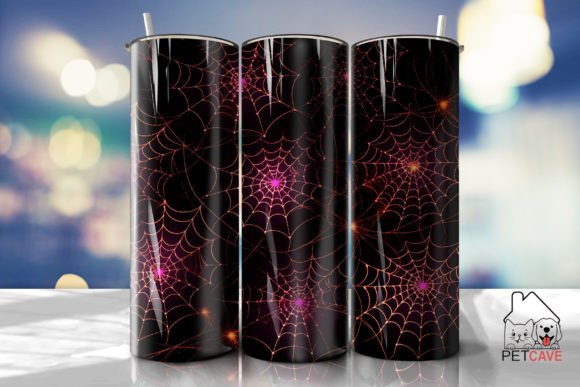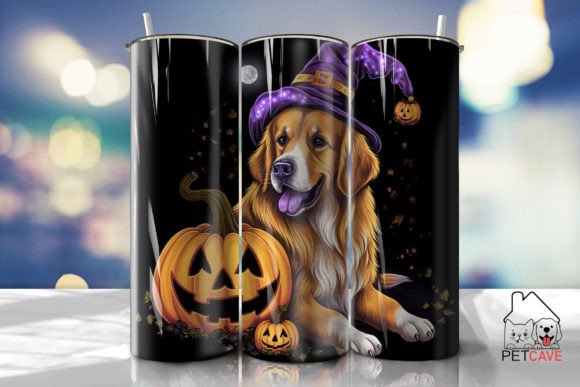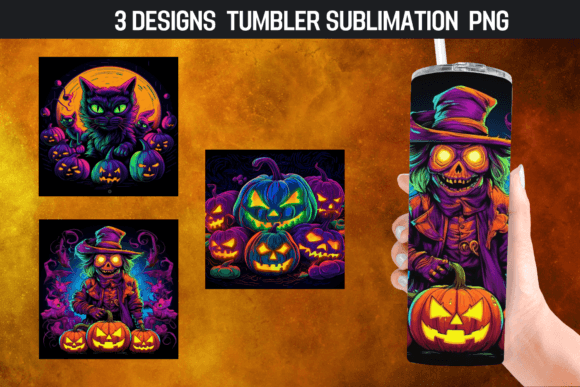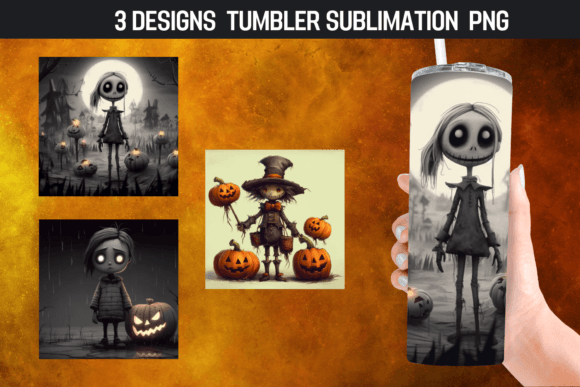
Pumpkin Halloween Tumbler Wrap Sublimati
First Impressions: A Festive, Focused Silhouette
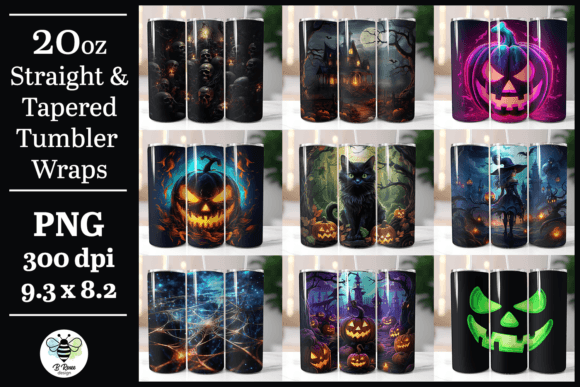
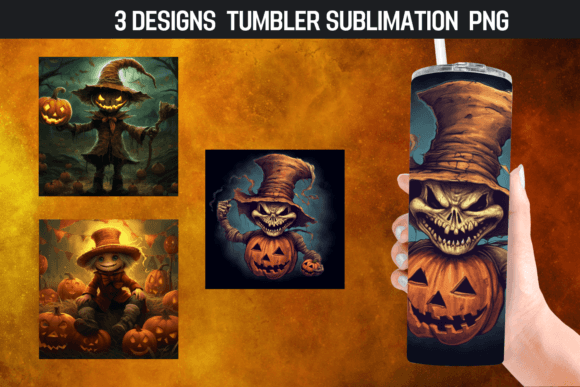
When I opened the Pumpkin Halloween Tumbler Wrap Sublimati files, my eye went straight to the clean, centered pumpkin motif—bold but not overwhelming, with subtle texture and a friendly, slightly whimsical grin. It’s clearly designed for sublimation on 20oz skinny tumblers, but as an embroidery designer who regularly adapts graphics for stitch, I immediately asked: *What happens when this shape meets needle and thread?* The answer isn’t automatic—it depends on intention, execution, and context. This isn’t a machine embroidery design out of the box; it’s a high-resolution PNG graphic meant for heat transfer. But that doesn’t mean it can’t inform or inspire real embroidered projects—if you approach it thoughtfully.
A Real-World Test: From Tumbler Graphic to Embroidered Tote Bag
Last week, I was prepping a small-batch holiday collection for my Etsy shop—custom embroidered canvas tote bags for local gift shops. I pulled up Pumpkin Halloween Tumbler Wrap Sublimati not to print it directly, but to trace its core visual language: the rounded pumpkin form, the balanced negative space around the stem, the gentle curve of the eyes and mouth. I redrew it as a simplified satin-stitch outline with light fill-stitch interior, keeping the same confident silhouette. Why? Because customers respond to clarity—not clutter. That original graphic’s strength is its restraint. It doesn’t try to be a full scene; it’s one strong, recognizable symbol. That makes it ideal for embroidered patches, baby onesie accents, or even minimalist apron corners—places where legibility matters more than detail.
Where It Shines (and Where It Needs Translation)
Pumpkin Halloween Tumbler Wrap Sublimati works beautifully for custom apparel when adapted intentionally. On a medium-weight cotton sweatshirt? Yes—especially as a single chest emblem. On a lightweight tea towel? Only if simplified: the original PNG includes fine internal lines that won’t translate cleanly in fill stitch at small scale. For baby embroidery, I’d reduce it by 30% and convert stem and vine elements into smooth satin borders—no tiny running stitches near seams. As a patch design? Perfect base—just add a clean merrow edge and adjust stitch density for stability.
It’s less suited for stretchy fabrics like knits without heavy stabilizer, and dark fabric backgrounds require careful thread color planning—those warm orange tones in the PNG won’t pop unless you choose high-contrast embroidery threads (think burnt sienna on charcoal, not peach on navy). And curved surfaces—caps, mugs, or contoured pillow covers—demand redrafting: the straight-wrap layout won’t drape or stitch evenly without distortion compensation.
Design Integrity Meets Handmade Reality
What sets Pumpkin Halloween Tumbler Wrap Sublimati apart from generic clipart is its cohesive visual rhythm. The proportions feel intentional, not algorithmic. That matters when building brand consistency across your craft business—whether you’re selling embroidered nursery decor or holiday-themed boutique merchandise. Customers notice when a design feels *designed*, not dropped in. Using this as source material for your own embroidery file signals care, not convenience. It elevates your finished product from “cute” to “considered.”
That said, don’t assume it’s plug-and-play for commercial embroidery. Since it’s delivered as three PNGs (not embroidery files), you’ll need to digitize it yourself—or hire a digitizer—with attention to stitch order, underlay, and pull compensation. Overly dense fills will pucker thin fabrics; tiny details may vanish after washing. Always test on scrap fabric first, especially if planning repeat use on kitchen towels or personalized gifts meant for daily wear.
Practical Designer Notes Before You Stitch
- Test before committing: Run a sample on your target fabric + stabilizer combo—especially for textured or dark materials.
- Check contrast early: View the PNG in grayscale to anticipate how stitch density and thread choice will affect readability.
- Hoop size matters: Even a simplified version may need a 4x4 hoop minimum—confirm your machine’s capacity before digitizing.
- Stabilizer strategy: Use cutaway for knits or lightweight cotton; tear-away works well for stable canvas or twill used in tote bags or aprons.
- Licensing awareness: This is a Graphics listing in the Crafts category—verify usage rights before selling finished embroidered items or bundling as digital embroidery files.
- Mockup wisely: Drop the PNG into a printable mockup to assess scale and placement *before* digitizing—saves time and thread.
Final Thought: A Starting Point, Not a Finish Line
Pumpkin Halloween Tumbler Wrap Sublimati isn’t a shortcut—it’s a quality reference. As an experienced designer, I appreciate how its focused composition invites adaptation rather than demanding replication. It fits naturally into holiday embroidery collections, small shop seasonal launches, and personalized gifts where charm and clarity go hand-in-hand. Whether you’re an Etsy seller curating a Halloween line, a craft fair vendor stitching custom sweatshirts, or a hobbyist making cozy nursery pillows, treat this graphic as raw material—not a final asset. Redraw it, refine it, respect its shape—and your handmade product will carry both intention and warmth.